
Thoughtful Gifts for Cancer Patients and Caretakers
We heard from patients and caretakers on what they’d most appreciate as a gift, from hospital essentials to help at home.
We heard from patients and caretakers on what they’d most appreciate as a gift, from hospital essentials to help at home.
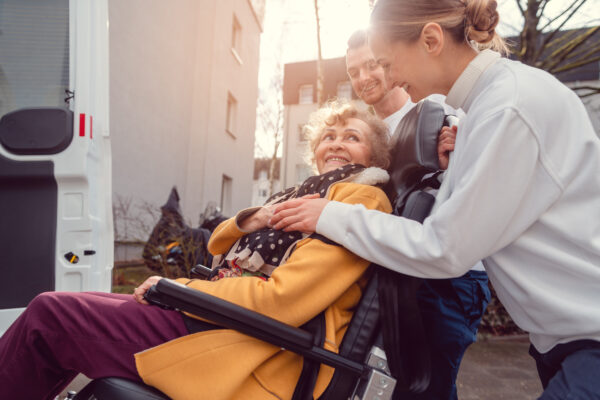
The holiday season is a meaningful time to reconnect with family and friends, and while it often brings its own set of challenges with family dynamics and busy schedules, for those facing cancer, these challenges can be even more complex. Whether you’re in the middle of treatment or adjusting to life after a diagnosis, here are a few tips to

There are few phrases I hate more than “Carpe Diem.” When I was diagnosed with cancer as a teenager, a well-meaning, kind family friend gave me a T-shirt with some artistic stick figures dancing in front of what I can best describe as an abstract, stained-glass-ish sunny forest with the words “Carpe Diem” plastered across the chest. I still, decades

Written by Ronny Bachrach July marks Juvenile Arthritis Awareness Month. For our community, it’s an important time to educate people that #kidsgetarthritistoo and to bring attention to the challenges of living with an invisible chronic illness. My 5-year-old daughter Sammy has a rare form of systemic arthritis called SJIA. Her immune system becomes overactive, resulting in inflammation of her organs,
Vaping was intended to be created as a healthy alternative to smoking traditional cigarettes. However, nicotine was as, if not more, concentrated in vapes. Vaping is not, and never was, better than smoking.
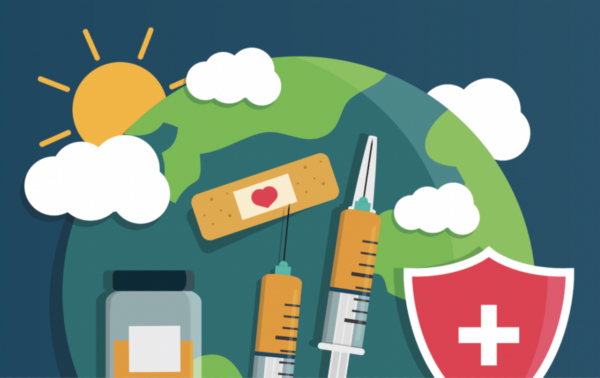
Observed every year in the last week of April, World Immunization Week aims to raise awareness about the importance of vaccination in protecting people of all ages against preventable diseases (basically, our credo).
How could we resist the sweet and savory flavors of air created by a vape? My name is Nate. I’m a sophomore at Poly Prep High School in Brooklyn, NY, and have been interning at Cancer Sherpa for the past two months.

While there has been a flood of women’s healthcare companies popping up in the last few years, Deborah and Jake saw a need for making the fertility and family-building process not only less opaque but, in Deb’s words, alleviate the “total hell” of finding the right fertility doctor.

World Sleep Day might sound like an excuse to hit the snooze button a few more times (which, let’s be honest, wouldn’t be a bad thing), but it’s actually a day dedicated to raising awareness about the importance of good sleep hygiene for our health and well-being.
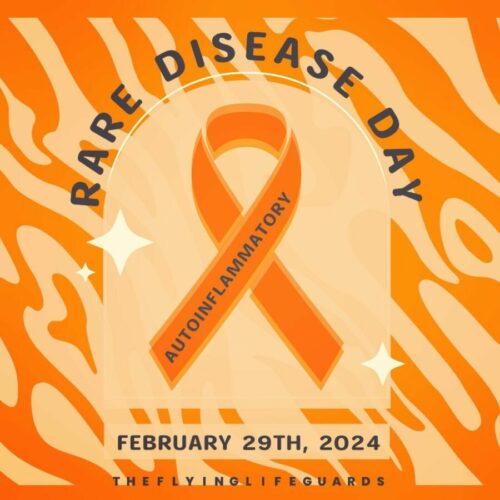
Celebrated every year on the last day of February, we honor the 350 million people worldwide who live with a rare disease.

Thursday, February 29th is Rare Disease Day, and as the mother of a child with a rare disease, childhood vaccination is a vital topic.

Have you been hearing about “third places” lately? Coined by the renowned US sociologist Ray Oldenburg in his 1989 book “The Great Good Place,” the third place concept is gaining traction as a crucial component of social well-being.
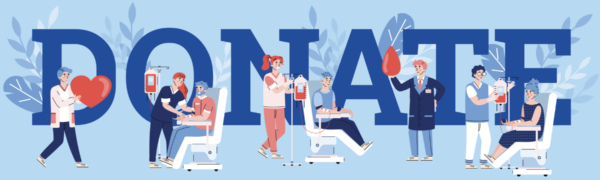
When most people think about donating blood, they think about donating whole red blood cells for packed red blood cell transfusions given to trauma, surgical, and oncology patients. However, there are different types of donations that create different types of blood products that patients receive.

It’s National Influenza Vaccination Week, and the CDC wants to remind all of two things: it is not too late to protect yourself against the flu by getting vaccinated, and by getting the vaccine you will tame your flu illness and its symptoms from wild to mild.
The key to making the most of a Social Worker’s services is to be open and honest with what’s challenging for you and to directly ask what they can help you to accomplish.

Part of what makes this time of year so special, whether through personal or communal nostalgia, is the feeling that we can always fall back on our community. As adults, we often forget that, which isolates us when we do not need to do that to ourselves.

The third and final installment of our healthy aging series focuses on cognition (brain function), which is the third pillar of the National Institute of Aging’s healthy aging guidelines. Read on to learn how incorporating small, positive physical and mental health changes can impact and support healthy cognition as we age.

In part two of our healthy aging series, we’ll delve into the critical importance of caring for our mental health, including ways to identify and improve the behaviors and habits that impact our wellness most.
By 2060, almost a quarter of the U.S. population will be age 65 or older. Americans are living and will continue to live longer, but what those years look like is up to you.