

Today, February 4th, marks World Cancer Day, an international awareness day to raise worldwide attention and to inspire action! World Cancer Day campaigns to reduce the global cancer burden and challenge the stigma, misinformation, and inequities in care. To them, reducing the global cancer burden looks like catching it sooner, reducing the fear and isolation of struggling patients, and providing

Over the past few years, funding for cancer research and patient support has declined. Recent federal budget cuts have created significant gaps in the resources that millions of patients, researchers, and caregivers rely on. Reduced funding leads to widespread consequences, including delayed clinical trials, stalled research, and lost support for patients and families. Community involvement is now more important than

The holidays are meant to feel joyful, but that joy can be harder to access when someone you love is navigating cancer treatment or rebuilding life after recovery. This guide offers thoughtful ways to bring a little more light into their season — from simple gestures that ease daily stress to curated gift ideas that genuinely support cancer patients, survivors,
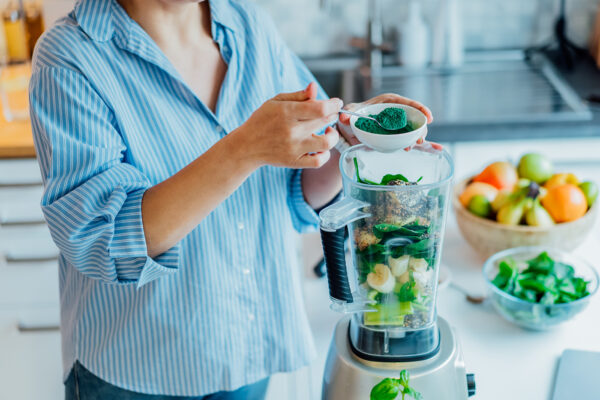
Eating during chemotherapy can feel like one more challenge at a time when your body and energy are already working overtime. But nourishing yourself—gently and consistently—can make a real difference in how you feel, how your body copes with treatment, and how well you recover. The good news? You don’t have to eat perfectly during chemo to eat well. Small,

Ladies! Listen up! It’s Breast Cancer Awareness Month, and we want you to know the facts, share them with the women in your life, and get screened to lead by example. Here are five facts you can memorize and share, and some good news to throw in too! Breast cancer facts: Breast cancer accounts for 32% of new cancer cases
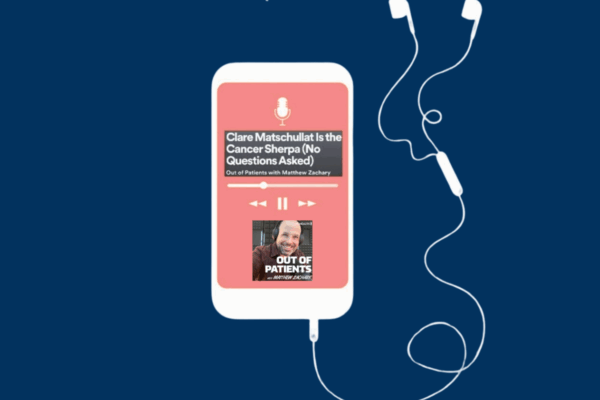
Cancer Sherpa Founder Clare Matschullat joins host Matthew Zachary on his podcast, Out of Patients
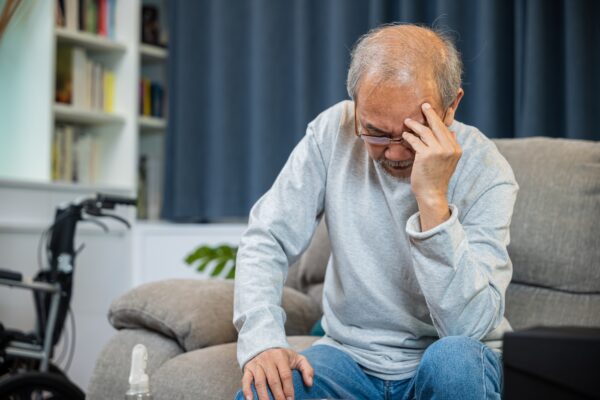
One of the most common — and often unexpected — side effects of cancer treatment is “chemo brain.” It can show up as forgetfulness, trouble concentrating, or simply feeling foggy. Sometimes it’s the treatment itself, sometimes it’s the disease, and often it’s the stress that comes along with both. Whatever the cause, it can feel frustrating when the things you

I often get asked why I started Cancer Sherpa, and I laugh because I didn’t start Cancer Sherpa; you did. You, the fearful, frustrated, and fed-up cancer patients and caretakers, who didn’t know who to call, called me – I just picked up the phone. My sophomore year at Duke, my roommate and I lived in 303 House B, where

Exercise isn’t just safe for people undergoing cancer treatment—it’s powerful medicine. From reducing fatigue and anxiety to enhancing survival outcomes, these habits support overall well-being. Additionally, emerging studies suggest they may even play a role in recovery and long-term health for some survivors. Ready to start incorporating more movement, but not sure where to start? Follow our tips for exercising
A skill, and it is a skill that does not come naturally to most of us in our day-to-day lives, is asking for help. It requires not only a willingness to be vulnerable but a level of self-reflection and initiative that we often lose when we are struggling with something. The inner turmoil of asking for help can be exponentially

Did you know you can pay for Cancer Sherpa’s or any cancer patient advocate’s services with the pre-tax funds in your HSA (Health Savings Account) or FSA (Flexible Spending Account) accounts? According to the IRS, as long as the services are primarily for your medical cancer care, specifically helping you understand your diagnosis and treatment options, coordinate care, or communicate

When someone you love is navigating cancer, everyday tasks like cooking can become overwhelming. Organizing a meal train during cancer treatment is one of the simplest and most meaningful ways to show support. Whether they’re going through treatment, recovering from surgery, or balancing appointments with rest, having a hot meal—or even just a stocked fridge—can make a big difference. These
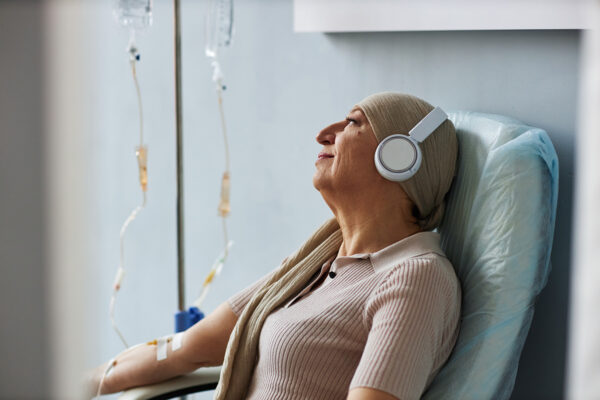
Preparing for your first chemotherapy infusion treatment can feel overwhelming. While many treatment centers provide basic comforts, it’s always a good idea to come prepared with a few essentials that can make the experience a little easier, warmer, and more personal. We’ve put together a checklist of recommended items—some practical, some cozy, all chosen with the chemo patient in mind.

What often goes unsaid when a parent is diagnosed with cancer is that it can be more difficult, at times, to be the caretaker—the child—than the patient. Ultimately, your parent gets to decide what their cancer journey will look like, what they are willing and unwilling to undergo, and how they feel day in and day out. You, the adult

A cancer diagnosis brings not only physical and emotional challenges but also financial, logistical, and legal complexities. Navigating cancer treatment can feel overwhelming, from understanding insurance coverage to managing time off work and coordinating care. That’s why having a strong support system—whether through medical professionals, financial advisors, loved ones, or a cancer sherpa—is essential. In this guide, we’ll explore the

We heard from patients and caretakers on what they’d most appreciate as a gift, from hospital essentials to help at home.

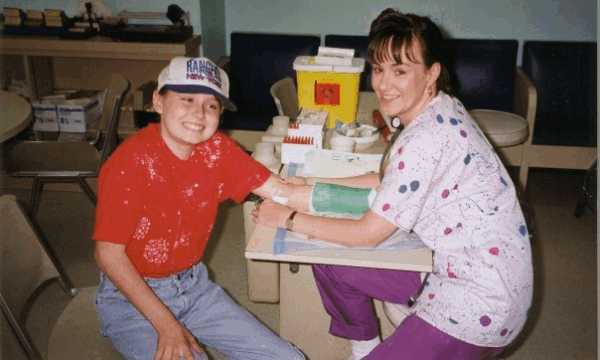
There are few phrases I hate more than “Carpe Diem.” When I was diagnosed with cancer as a teenager, a well-meaning, kind family friend gave me a T-shirt with some artistic stick figures dancing in front of what I can best describe as an abstract, stained-glass-ish sunny forest with the words “Carpe Diem” plastered across the chest. I still, decades

Most sexually active Americans will not develop cancer from an HPV infection. However, it’s worth minimizing your risk through a few simple precautions.

October is Breast Cancer Awareness Month, and we’re doing our part by reminding all women out there how important screenings are, plus offering a few key resources so you can stay on top of your wellbeing at home.