
Navigating Open Enrollment: Tips for Finding the Best Health Insurance Coverage
Choosing health insurance can be daunting, as there’s a lot to understand to pick a plan that fits you and/or your family best.
Choosing health insurance can be daunting, as there’s a lot to understand to pick a plan that fits you and/or your family best.
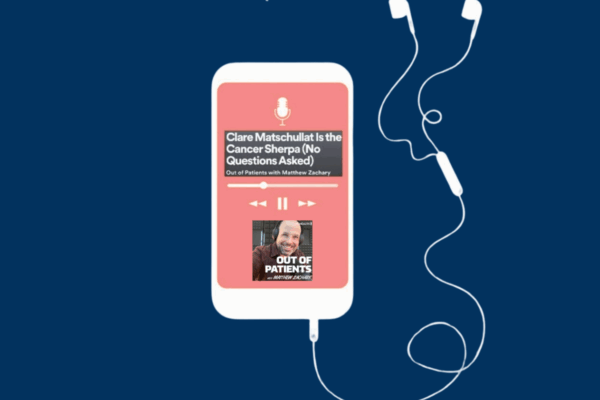
Cancer Sherpa Founder Clare Matschullat joins host Matthew Zachary on his podcast, Out of Patients

I have been hesitant to share my story, or the many hundreds of stories —good and bad —that comprise my thirty-year survivorship, because, in truth, surviving is hard. PLEASE don’t get me wrong, it is better than the alternative, but short- and long-term survival after cancer presents its own unique sets of challenges that, like cancer diagnosis and treatment, require
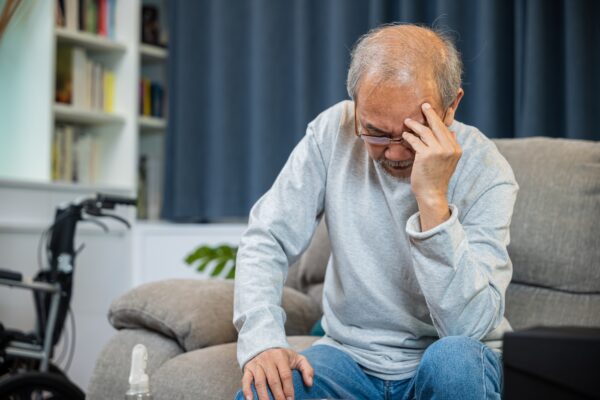
One of the most common — and often unexpected — side effects of cancer treatment is “chemo brain.” It can show up as forgetfulness, trouble concentrating, or simply feeling foggy. Sometimes it’s the treatment itself, sometimes it’s the disease, and often it’s the stress that comes along with both. Whatever the cause, it can feel frustrating when the things you
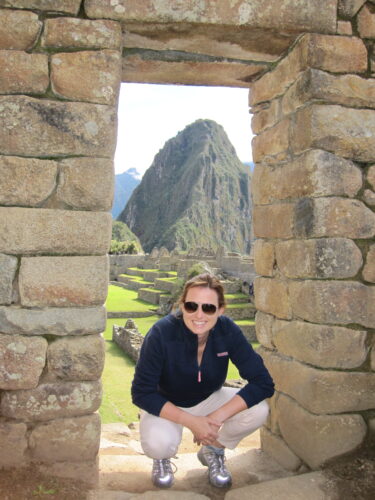
I often get asked why I started Cancer Sherpa, and I laugh because I didn’t start Cancer Sherpa; you did. You, the fearful, frustrated, and fed-up cancer patients and caretakers, who didn’t know who to call, called me – I just picked up the phone. My sophomore year at Duke, my roommate and I lived in 303 House B, where

Exercise isn’t just safe for people undergoing cancer treatment—it’s powerful medicine. From reducing fatigue and anxiety to enhancing survival outcomes, these habits support overall well-being. Additionally, emerging studies suggest they may even play a role in recovery and long-term health for some survivors. Ready to start incorporating more movement, but not sure where to start? Follow our tips for exercising
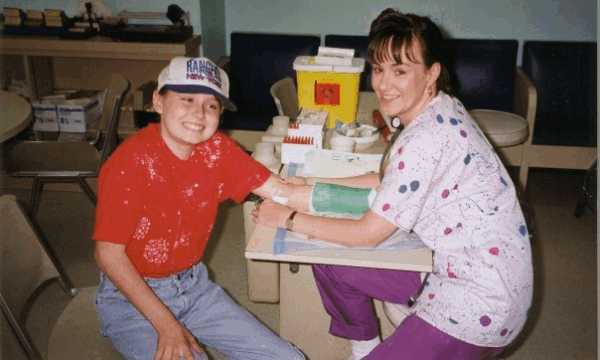
A skill, and it is a skill that does not come naturally to most of us in our day-to-day lives, is asking for help. It requires not only a willingness to be vulnerable but a level of self-reflection and initiative that we often lose when we are struggling with something. The inner turmoil of asking for help can be exponentially

Did you know you can pay for Cancer Sherpa’s or any cancer patient advocate’s services with the pre-tax funds in your HSA (Health Savings Account) or FSA (Flexible Spending Account) accounts? According to the IRS, as long as the services are primarily for your medical cancer care, specifically helping you understand your diagnosis and treatment options, coordinate care, or communicate

When someone you love is navigating cancer, everyday tasks like cooking can become overwhelming. Organizing a meal train during cancer treatment is one of the simplest and most meaningful ways to show support. Whether they’re going through treatment, recovering from surgery, or balancing appointments with rest, having a hot meal—or even just a stocked fridge—can make a big difference. These
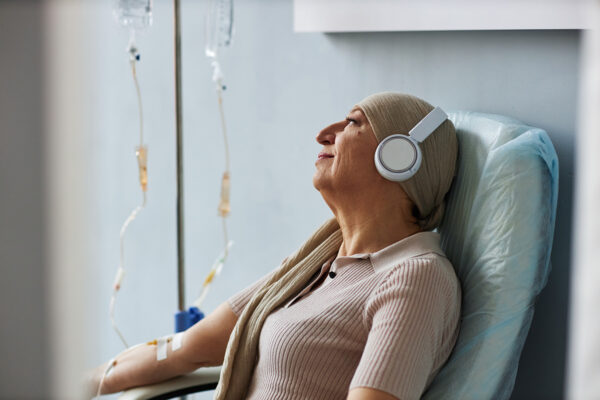
Preparing for your first chemotherapy infusion treatment can feel overwhelming. While many treatment centers provide basic comforts, it’s always a good idea to come prepared with a few essentials that can make the experience a little easier, warmer, and more personal. We’ve put together a checklist of recommended items—some practical, some cozy, all chosen with the chemo patient in mind.
Any unprotected sun exposure can have harmful effects on our skin – ranging from wrinkles and uneven skin tone to cancer.

While it’s not something we like to think about, it’s important to consider your digital footprint when working on your will or proactively getting your ducks in a row at any age. Granting access to your digital accounts can provide closure for family and friends, allowing them to manage your online presence and address any necessary tasks.
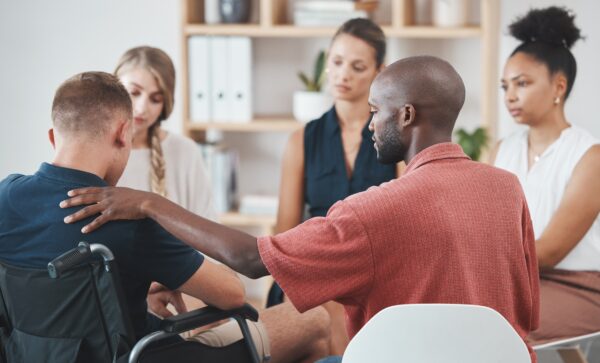
Navigating cancer is overwhelming—emotionally, physically, and financially. But you’re not alone, and there are incredible resources out there designed to support you through every step of the journey. Whether you’re newly diagnosed or deep into treatment, these free services can make a real difference. Below, we’ve rounded up some of the most helpful cancer resources—covering everything from emotional support and

A cancer diagnosis doesn’t just impact your body—it shifts the ground beneath your feet, affecting your relationships, conversations, and sense of control. One of the hardest parts? Figuring out how to talk about it. Who do you tell? What do you say? How much do you share? And how do you handle the inevitable flood of emotions—from your own and

What often goes unsaid when a parent is diagnosed with cancer is that it can be more difficult, at times, to be the caretaker—the child—than the patient. Ultimately, your parent gets to decide what their cancer journey will look like, what they are willing and unwilling to undergo, and how they feel day in and day out. You, the adult

A cancer diagnosis brings not only physical and emotional challenges but also financial, logistical, and legal complexities. Navigating cancer treatment can feel overwhelming, from understanding insurance coverage to managing time off work and coordinating care. That’s why having a strong support system—whether through medical professionals, financial advisors, loved ones, or a cancer sherpa—is essential. In this guide, we’ll explore the

One of our first instincts upon hearing a friend or family member has cancer is to want to comfort them by sending “something.” That “something,” however, can be hard to find in that we often don’t know what they will want or need throughout their cancer journey. Cancer Sherpa has curated a list of Valentine’s Day gifts for every cancer

We’ll give you the good news first: January has *finally* come to a close, which puts us one month closer to spring. The not-as-good news: February is notorious for bringing along gnarly weather, prolonging – and even intensifying – the symptoms of seasonal affective disorder. If gray days, early sunsets, and frigid temps are getting you down, consult our guide

The holidays are here! With Christmas, Hanukkah, Kwanza, and the end of the year only days away, now is the perfect time to reflect, recharge, and share support with loved ones who are facing health challenges, caring for others, or on a path to healing. Wherever you are over the next couple of weeks, these mental health and wellness tips,

It’s that time of year again: every first Sunday in November, we set our clocks back an hour for Daylight Saving Time (DST). For most people, that extra 60 minutes of sleep is about the only good thing about it.