
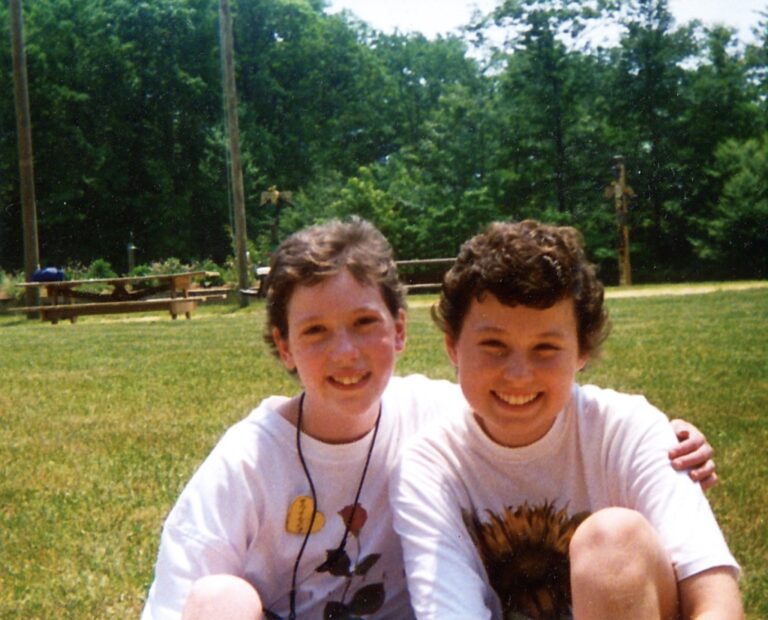
Help me help you understand: talking about my cancer diagnosis and treatment is not about managing your fears or anxieties. Thank you.
I was literally lying on an acupuncture treatment table yesterday, having this discussion with one of the wisest women I know, Lisa Berkelhammer, my acupuncturist. Lisa is known for providing adjuvant pain therapy for women undergoing breast and ovarian cancer treatment, survivors, as well as other hormone issues and disorders. I have been going to her for years, as having cancer at twelve causes lifelong hormone imbalances, including Secondary Adrenal Insufficiency, a chronic condition almost identical to Addison’s disease (thank you, cranial radiation). Lisa is more than an acupuncturist; she is an expert in working with and supporting women who are undergoing treatment for and have survived female cancers.
Cancer, of any kind, at any stage, is difficult to discuss with those you are closest to and trust, let alone your wider community. As I said, I was twelve when I was diagnosed, and I often found myself comforting adults about my diagnosis and treatment. I was the one standing there bald, with a Looney Tunes baseball cap on, that matched my green plaid uniform, letting the mother of a classmate know that yes, I believed I was going to be okay.
I am not, at least now, mad at that mother. Images of sick children and adolescents did not exist at that time, and very few people outside of the pediatric cancer community even knew what a child with cancer looked like or knew what St. Jude’s was; however, people in our lives today are still profoundly uncomfortable with having conversations with us. I am an open book, and cancer is what I do, and I still have people in my life who ask me a question about my health or experience, but follow it up by saying, “You don’t have to answer that if it is too private.”
What I have learned, especially when it comes to our personal health and well-being, is that we have to teach people how to treat us. Just two weeks ago, I was in a therapy session where my therapist said to me, “You don’t owe anyone an explanation. Tell them what you want them to know, and if it is awkward, let there be an awkward silence. It is not your job to make others feel comfortable about your life and choices.” While I have always known this was an option, it will take a while to fully put into practice, as I got so used to making others feel comfortable because I was different. And not just different when I had cancer, but also because having cancer so young caused many milestones and celebrations to be missed or at different times than my peers.
In talking to Lisa, I realized that we, as cancer patients and survivors, need help in navigating these conversations. I have these conversations with the individuals and families I work with, but everyone—yes, you—should feel supported in how and when you share your story without feeling burdened to alter it or comfort those who ask how you are. I personally made the decision to share my cancer experience and all of the subsequent physical, mental, and emotional side effects and conditions that have resulted from it. That does not have to be your choice. Whatever your comfort level, here are some starting points for how to talk to people about your cancer diagnosis with tips for staying true to yourself, your story, and the way you want to tell it. If you’re looking for personalized support as you navigate these conversations, treatment, or survivorship, contact me—I’m here to help.